
Medellín, Colombia – Ecuador’s Foreign Minister announced on Wednesday morning that Ecuador’s ambassador to Colombia, Arturo Felix Wong, has been recalled.
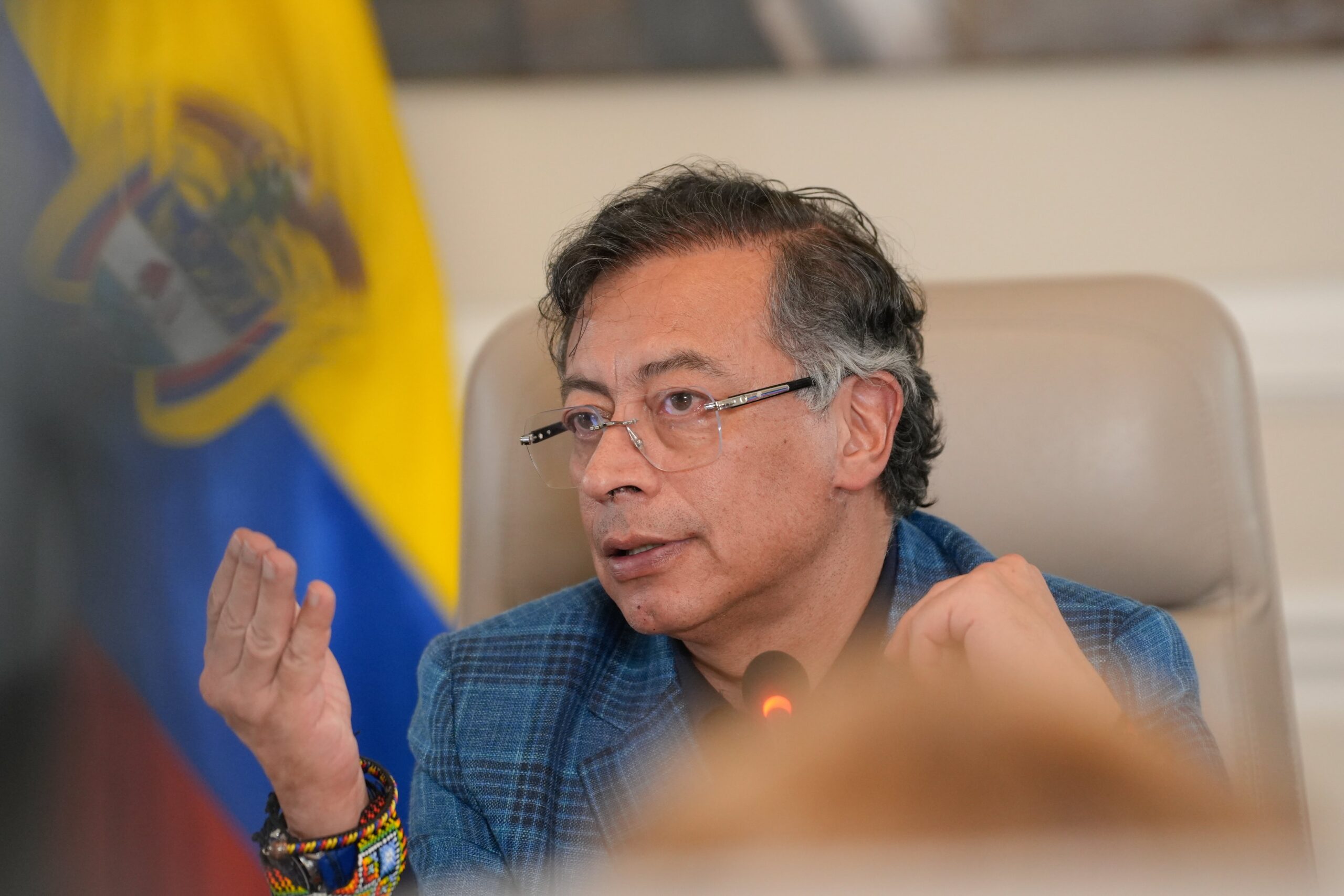
The move follows comments made by Colombian President Gustavo Petro regarding Ecuador’s jailed former Vice President, Jorge Glas, who he called a “political prisoner” and said was not being given sufficient food.
The spat is the latest in a series of diplomatic rows between the two neighbors this year, which have included tit-for-tat tariffs and accusations about border security.
Gabriela Sommerfield, Ecuador’s Foreign Minister, justified the withdrawal of the Ecuadorean ambassador from Colombia as “a protest towards Colombia over the terms used by Petro and the interference in decisions made by different branches of the Ecuadorean State” in an interview with Centro Digital Radio.
The announcement followed several inflammatory statements about Glas by Petro in recent days. On Monday, the President said, “it is undeniable that Jorge Glas is a political prisoner.”
Glas has faced several convictions for corruption-related charges but his supporters, including Petro, accuse Ecuador’s right-wing government of persecuting him for being associated with the progressive Citizen Revolution Movement.
“Letting someone die of hunger, while under the care of the government, is a crime against humanity,” said Petro on Tuesday.
Glas is currently serving an eight-year sentence for bribery and criminal association, and a thirteen-year sentence for embezzlement in the maximum-security El Encuentro prison, which is modelled on Salvadorean president Nayib Bukele’s infamous prison system.
He was first convicted in 2017 for his involvement in the Odebrecht case, one of the largest corruption cases in recent Latin American history, after it was revealed that he had received millions of dollars in bribes from the Brazilian conglomerate Odebrecht.
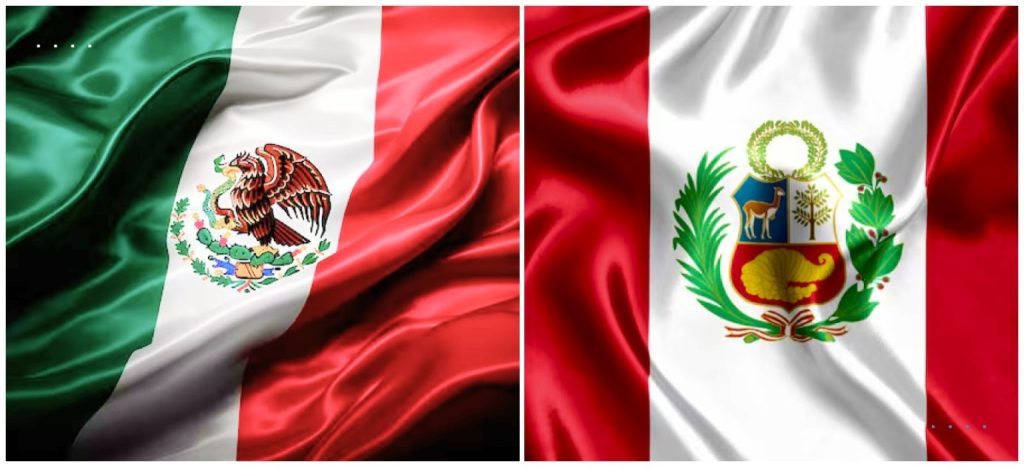
He has since received further sentences and was released temporarily in 2022 but re-imprisoned shortly after. Later that year, he was released again, and sought asylum in the Mexican embassy, claiming political persecution. But two years ago, he was arrested in a controversial police raid of the Mexican embassy in Quito, leading to the severing of diplomatic ties between the two countries.
Now, Ecuador also faces chilly relations with neighboring Colombia; on February 1st, Quito imposed a tariff of 30% on Bogotá, which it increased to 50% in March. President Daniel Noboa said that the levy was a response to Colombia failing to cooperate in the fight against narcotrafficking.
Colombia responded with tariffs of 30% on 73 types of products coming from Ecuador, including rice and sugar, which later increased to 50% for more than 185 products.
A further dispute emerged last month when Petro accused Ecuador of bombing across the two countries’ joint border.
After recalling Ecuador’s Ambassador to Colombia on Wednesday, Foreign Minister Sommerfield announced that meetings to address the ongoing trade war between the two countries would be suspended.
Featured image description: President Gustavo Petro at a cabinet meeting, October 22, 2025.
Featured image credit: @InfoPresidencia via X.