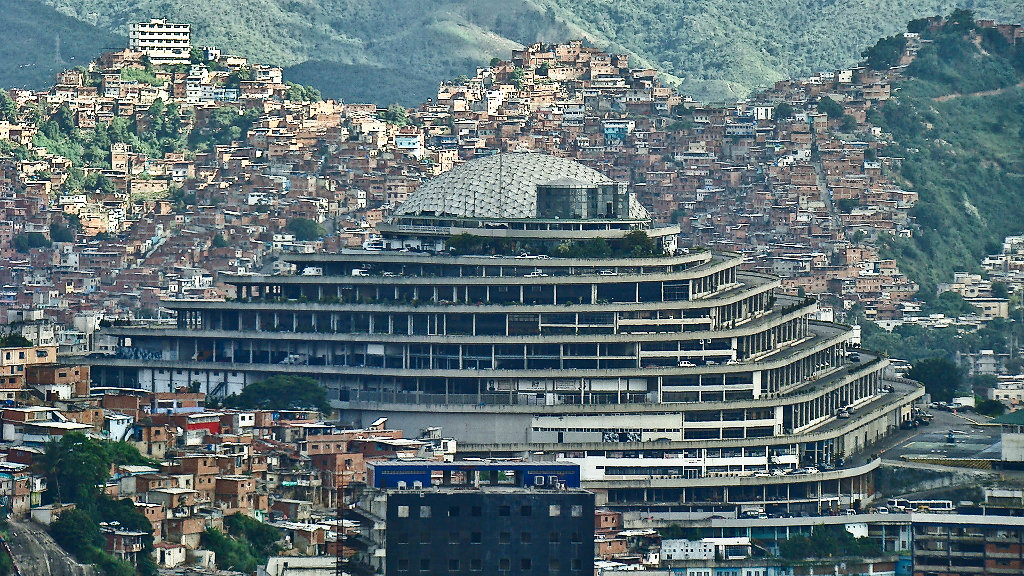

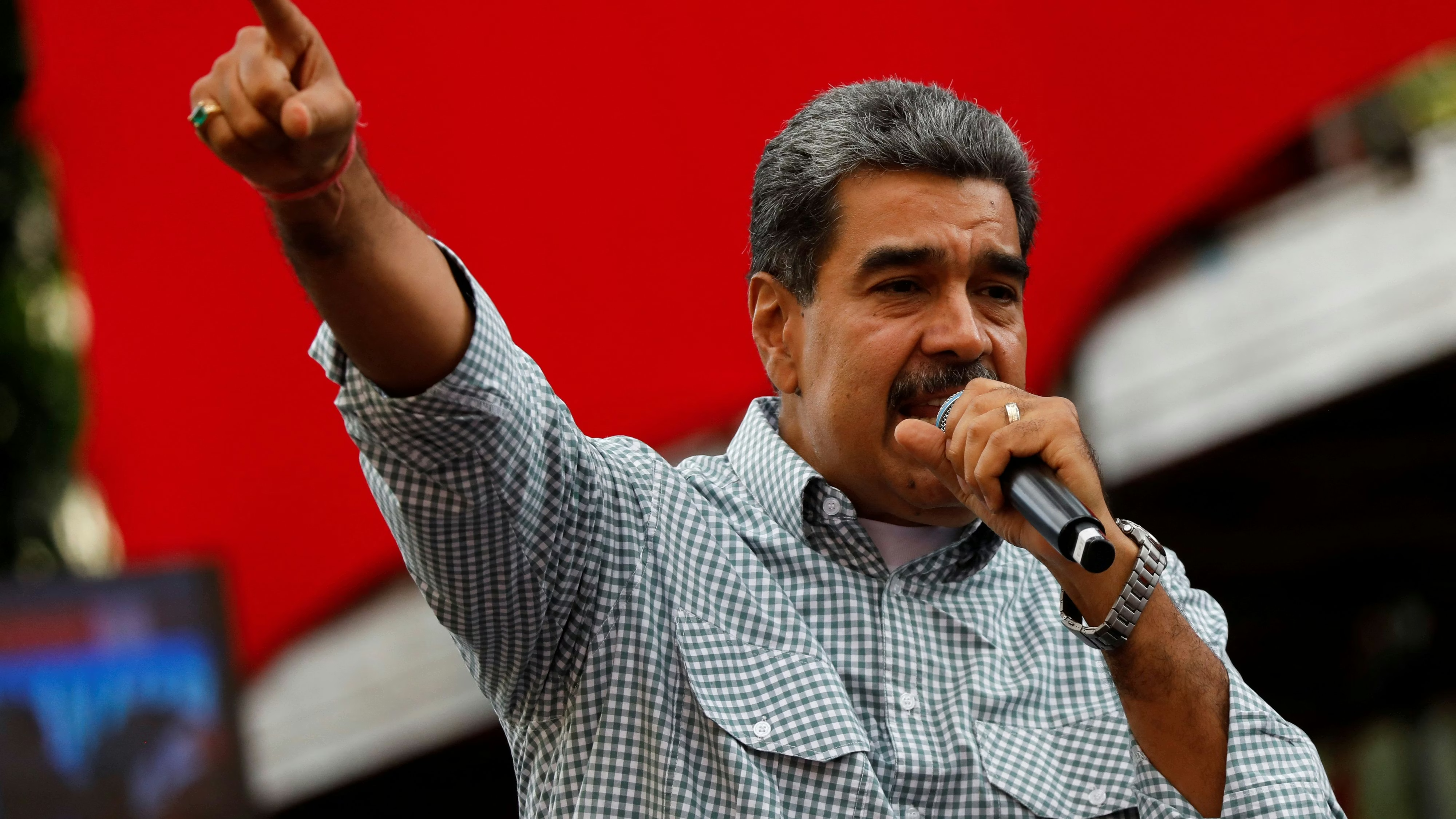
Santiago, Chile – Donald Trump announced on Saturday that Venezuela’s President Nicolás Maduro and his wife, Cilia Flores, had been captured after overnight military operations in Caracas.
“The United States of America has successfully carried out a large scale strike against Venezuela and its leader, President Nicolas Maduro, who has been, along with his wife, captured and flown out of the Country,” Trump wrote on Truth Social.
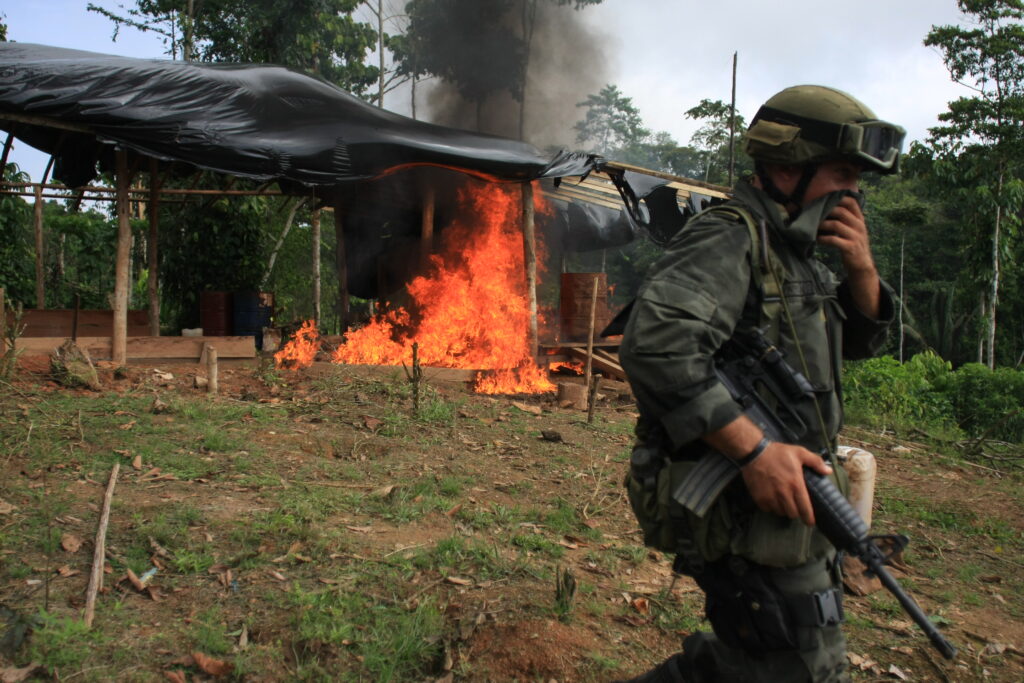
After several weeks of increased U.S. military presence in the Caribbean, including multiple air strikes against alleged drug boats and the seizure of oil tankers, more aggressive action by Trump had appeared increasingly likely.
Leaders and politicians across Latin America were quick to respond to the attacks.
Brazilian President Luiz Inácio Lula da Silva said the bombing of Venezuelan territory and the capture of its president “cross an unacceptable line,” calling the actions a grave affront to Venezuela’s sovereignty and a dangerous precedent for the international community.
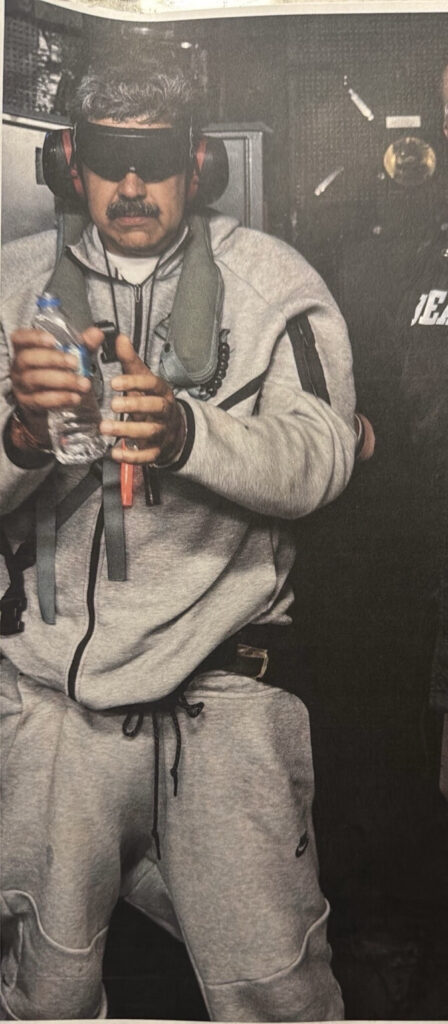
Source: Donald Trump via Truth Social.
Without going too far, Gustavo Petro, President of Colombia, was among the first to condemn the operation. He said the Colombian embassy in Venezuela would be prepared to receive requests for assistance from Colombian citizens and Venezuelans seeking protection.
In a post on X , Petro said the Colombian government “rejects the aggression against the sovereignty of Venezuela and Latin America.” He also called on Venezuelans to pursue “civil dialogue and unity,” adding that “without sovereignty, there is no nation” and that peace and dialogue are essential to national unity.
The Colombian president also shared a post from Chile’s current president, Gabriel Boric, condemning the U.S. attack and warning of a violation of fundamental principles of international law. In the statement, Boric said Chile “reaffirms its commitment to the basic principles of international law, including the prohibition of the use of force, non-intervention, the peaceful settlement of disputes, and respect for the territorial integrity of states.”
Chile’s president-elect, José Antonio Kast, who is set to take office on March 11, took a sharply different stance. In a post on X, he described Maduro’s arrest as “great news for the region,” arguing that it marks a first step toward dismantling criminal and terrorist networks that he said pose a serious threat to regional peace and security.
On the other side of the Andes mountain range, Argentine President Javier Milei was among the first leaders to openly welcome the U.S. military operation and said Argentina was prepared to support Venezuela during a transition period. In a statement, he said: “We celebrate the fall of the narco terrorist dictator Maduro. Argentina is ready to help in the transition to a free, democratic, and prosperous Venezuela.”
María Corina Machado, a leading figure of Venezuela’s opposition, also voiced support for the president’s arrest. In a statement published on Instagram, she said that “as of today, Nicolás Maduro faces international justice for crimes committed against Venezuelans and citizens of other nations,” adding that, after his refusal to accept a negotiated solution, the United States had moved to enforce the law.
Machado also called on Venezuelans living abroad to mobilize, raise awareness in the media, and press the governments of their host countries to support a transition to democracy in Venezuela.
In recent statements, Trump said the United States intended to oversee the situation in Venezuela to prevent the country from falling “into the wrong hands” again, adding that once order was restored, control would be transferred to a democratic transition.
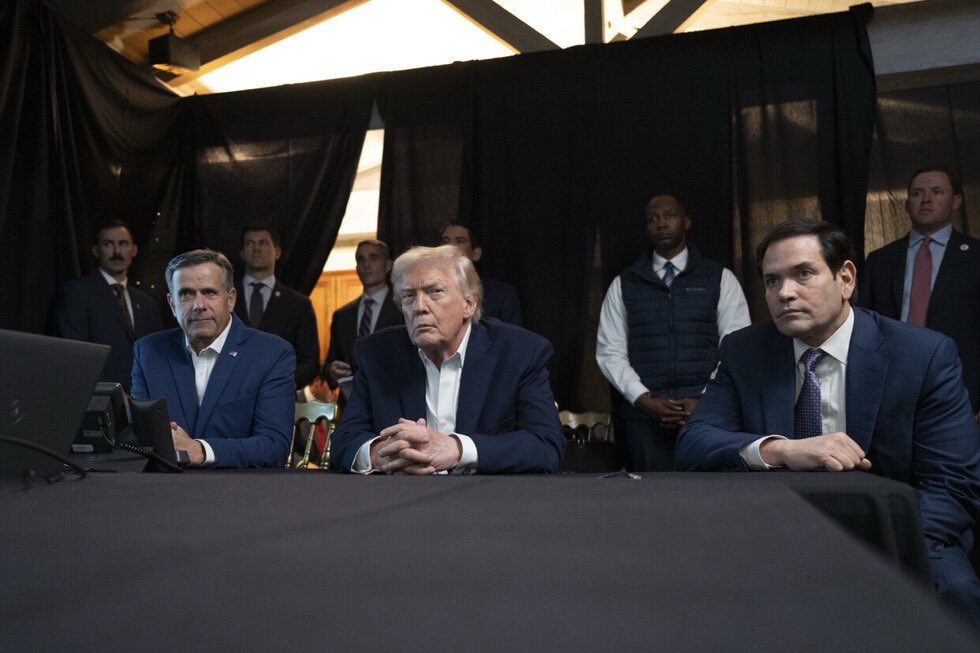
Pictured (L to R): CIA Director John Ratcliffe, President Trump, Secretary of State Marco Rubio
Source: The White House via X.
He also said he would not immediately hand over power to María Corina Machado and her political stand-in Edmundo González, arguing that Machado lacked sufficient support within Venezuela to lead the process. Analysts, however, have questioned that assessment, an opinion Trump continued to defend.
Although the U.S. government described the intervention as a success, it left open the possibility of further action. Trump said the initial operation had been “so successful” that a second strike might not be necessary, but added that the United States was prepared to carry out a larger follow up operation if needed.
Across Latin America, governments are sharply divided. Some have expressed full support for the measures taken by the Trump administration against the Venezuelan regime, while others have described them as a serious violation of international law and labeled them “terrorist” and “unacceptable.”
The coming hours will be critical for Venezuela’s future. Whether the United States’ move is ultimately judged positively or negatively, it is already shaping a moment of historic significance in global affairs.
Featured image: Nicolás Maduro
Source: Heute.at
License: Creative Commons Licenses