
Bogotá, Colombia – Colombian President Gustavo Petro has said his government will no longer use United Nations estimates of cocaine production, citing inaccuracies in its methodology.
For months, Petro has rebuked the United Nations Office on Drugs and Crime (UNODC) for using coca plant cultivation to estimate cocaine production in Colombia, saying on Thursday that the government “will not use it again.”
The UNODC’s methodology has been a thorn in the side of the South American leader; its most recent report estimated a 50% increase in potential cocaine production in Colombia from 2022 to 2023, leading the White House to accuse Petro of being complicit in drug trafficking.
“The indicator of potential cocaine production has been poorly constructed by the UNODC for decades. Given the obscure statistical method employed, the national government will not use it again,” wrote Petro in a post on X last Thursday.
The UNODC estimates potential cocaine production based on the surface coverage of coca crops, the key ingredient used to synthesise the drug. But Petro claims the method is flawed because the body divides Colombia into four coca-cultivating regions and uses surveys of just one region to estimate national production.
“What they do is extrapolate the indices from high-productivity areas to low-productivity areas and overestimate the potential cocaine production,” wrote Petro in another X post.
Earlier this month, the Colombian National Police published its own report on coca production, which found a 56.9% reduction in the area under cultivation in the three years to August 2025.
Petro said that the police methodology, known as the Integrated System of Counter-narcotics Information and Monitoring (Siima), is “more precise” than the UNODC’s.
While the UNODC uses satellite imagery for its annual reports, Colombia uses more detailed aerial images from planes and drones, taken in quarterly intervals.
Petro has also argued that coca hectarage alone cannot predict cocaine exports as there are many factors that determine how much of the drug leaves the country; these include law enforcement seizures, disputes between armed groups, and production for the domestic market.
The UNODC accepted Petro’s criticisms in October, writing, “[we] acknowledge that these data face limitations inherent to scientific studies, such as budgetary and security factors.”
The international drug body also supported Petro’s proposal to update its methods: “Changes in drug trafficking make it necessary to broaden the indicators, moving from measuring only potential production to also estimating the cocaine available on the market.”
Announcing his plans to end UNODC potential cocaine monitoring, Petro said the body’s insufficient monitoring methodology was the “basis for the verbal disagreement that happened with President Donald Trump.”
In September, the White House decertified Colombia as a drug cooperation partner and in October added Petro to a list of sanctioned individuals, accusing him of being “an illegal drug dealer.”
The Colombian leader added that he explained the problems in the UN’s methodology to Trump in a de-escalatory phone call earlier this month.
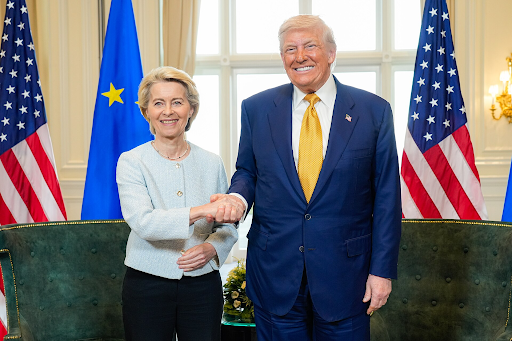
Petro and Trump are due to meet on Tuesday, February 3, and are expected to discuss joint counter-narcotics efforts.
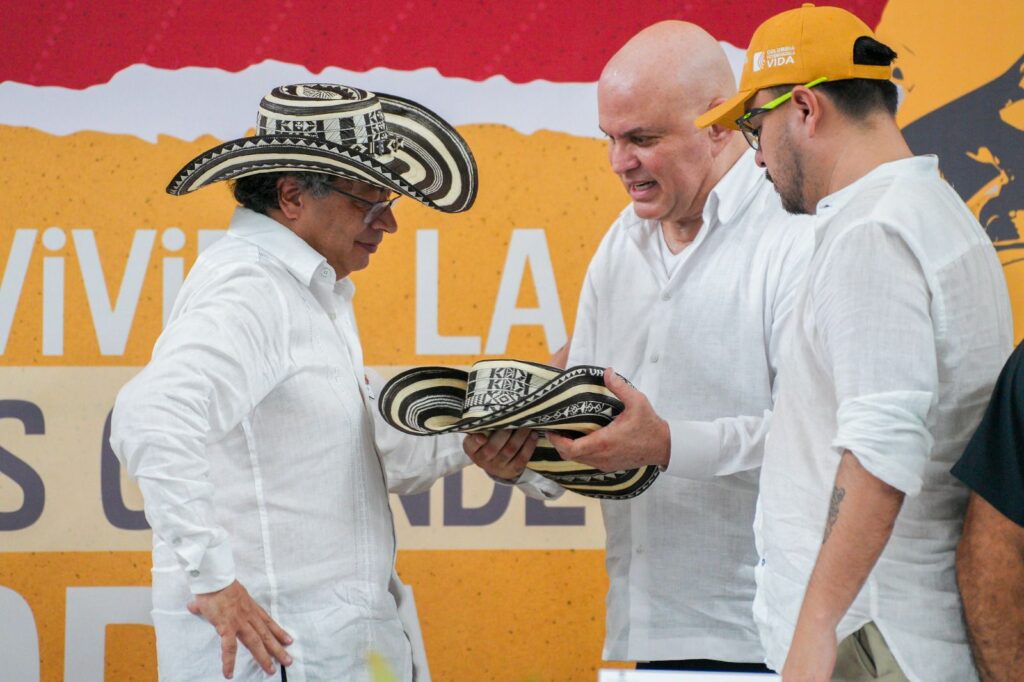
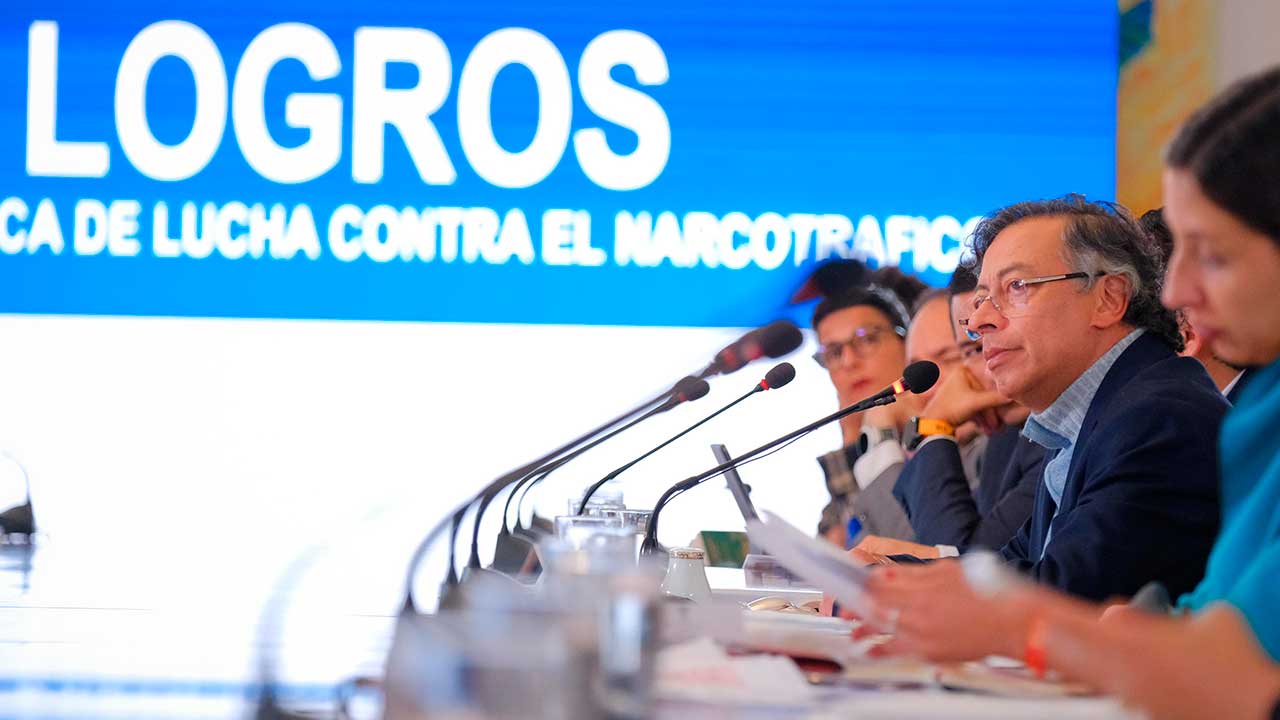
Featured image description: President Gustavo Petro announces the figures from the Siima report on illicit crops.
Featured image credit: Presidencia de Colombia