
Cuba has “absolutely no fuel oil and absolutely no diesel”, according to the country’s Energy Minister, Vicente de la O Levy.
His comments, made to state-run media on Wednesday, underline the severity of Cuba’s energy crisis, which has been intensified by a near-total U.S. blockade on fuel imports since January.
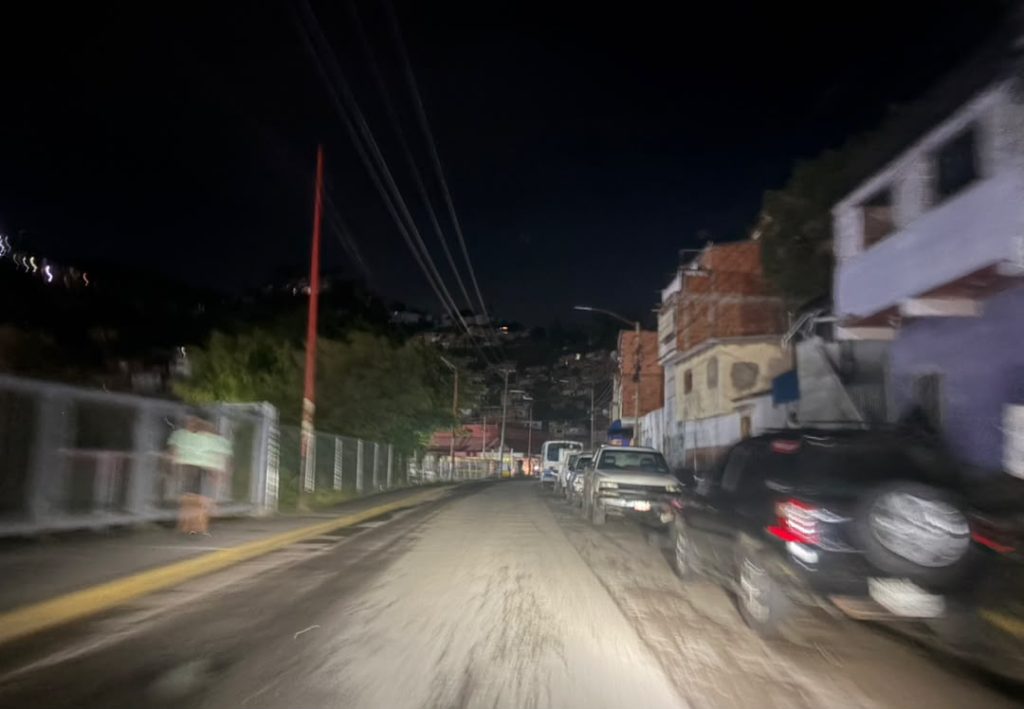
The effects of the fuel shortages were felt immediately, with widespread power outages on Wednesday night sparking protests in Havana. Though the protests soon dissipated, large sections of eastern Cuba remained in darkness on Thursday.
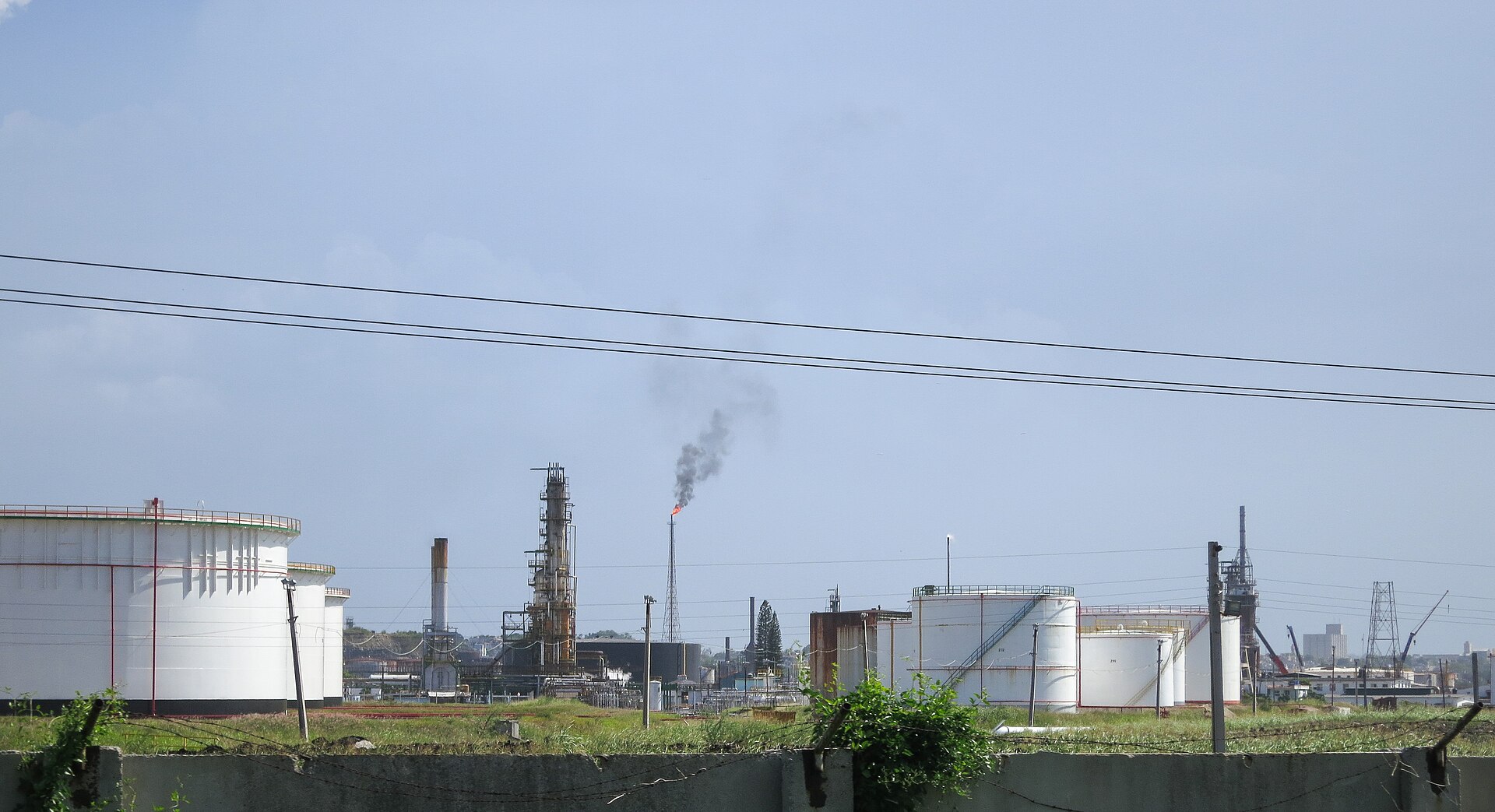
While Cuba has domestic reserves of natural gas and crude oil, it lacks the money to maintain or upgrade its refineries, which are necessary to convert high-viscosity crude oil into fuel oil, essential to electricity generation.
“Cuba is open to anyone that wants to sell us fuel”, Levy implored.
However, Cuba has largely been cut off from international oil imports by the U.S., which threatened to impose tariffs on any country supplying oil to Cuba and severed Venezuelan oil supplies to the Cuban state.
Despite this, Russia sent an oil tanker to help alleviate the crisis in March and China has also helped Cuba mitigate its reliance on imported fuel by helping install solar parks across the island.
Nevertheless, it is unclear if any country would be willing to provide Cuba with enough oil to sustain its national grid indefinitely. There is also no guarantee that the U.S. would allow new foreign oil imports to arrive.
The U.S. is reportedly considering sending the island a humanitarian aid package worth US$100 million to ease the effect of its own oil blockade of the island, with CIA Director John Ratcliffe visiting Havana yesterday to discuss “intelligence cooperation, economic stability, and security issues”.
Ratcliffe is likely the first CIA Director to visit the island since 1953, as the U.S. and Cuba have been staunch geopolitical adversaries since the triumph of the Cuban Revolution in 1959.
Although the two nations are involved in official diplomatic negotiations, tensions between Washington and Havana have been rising dramatically. The North American superpower has repeatedly threatened the Cuban leadership with political regime change and has ratcheted up punitive sanctions against officials and economic entities deemed to be linked to the Cuban regime.
Although the U.S. claims its measures are solely targeted at the Cuban government, the punitive measures have contributed to an economic and humanitarian crisis that is harming many ordinary Cubans, with hospitals, schools and workplaces facing shortened operating hours because of power cuts.
Critics of the Cuban regime, however, argue that the energy shortages and the humanitarian suffering in the Caribbean nation are a result of the political leadership’s authoritarianism, economic mismanagement and corruption.
Featured Image: An oil refinery near Regla, Cuba
Image Credit: Marcel601 via Wikimedia Commons
License: Creative Commons Licenses