

Millions across Western Cuba and Havana were left without power on Wednesday as the Caribbean nation’s electricity grid crumbles and its oil reserves dwindle.
The blackout was caused by a shutdown of the Antonio Guiteras thermoelectric power plant in the city of Matanzas. The plant was reportedly closed due to a boiler leak and burst pipe at the plant.
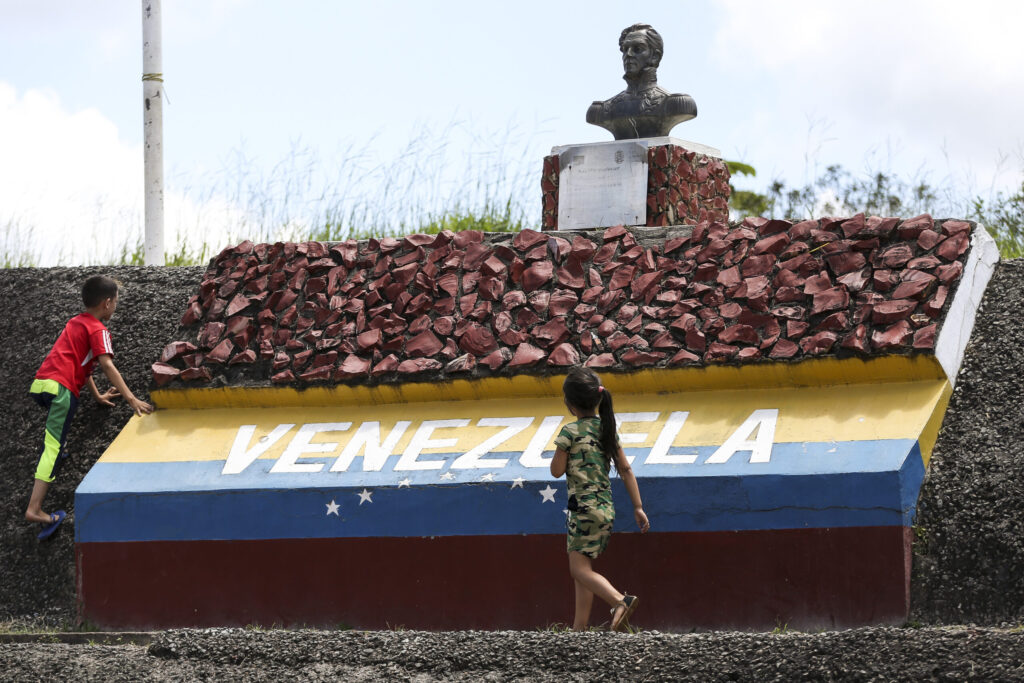
The recent increase in power outages on the island has been widely attributed to fuel shortages caused by the American oil blockade. The Trump administration has cut off key oil supplies from Venezuela and threatened to impose tariffs on potential new oil suppliers.
A current student at the University of Havana who spoke to Latin America Reports about the blackouts and asked to remain anonymous for fear of repercussions, described her increasing anxiety in the face of the current situation.
“I haven’t been able to sleep more than short intervals [due to the blackouts]”, she explained. “We have no water, of course. I don’t know how much more Cubans can endure”, she cautioned.
Although the latest power cut appears to be the direct consequence of crumbling infrastructure at the Antonio Guiteras plant, this too could be an indirect consequence of sanctions. Government officials report that U.S. economic sanctions against the island prevent the government from buying new equipment and specialized parts for the plants.
According to a report by the Cuban government, the decades-long American trade embargo on the island is such that the suspension of the embargo for just five days would prevent a financial loss of a reported $100 million USD, the alleged equivalent to the cost of repairing the Antonio Guiteras plant. Suspending the embargo for 12 days, according to Cuban Foreign Minister Rodríguez Parrilla, would cover the entire annual maintenance budget of the entire Cuban electric energy system.
However, some opposed to the regime blame the Cuban Communist Party’s central planning of the economy for shortages of electricity, as well as food and water. The U.S.-based Center for a Free Cuba (CFC) accuses the government of not investing sufficiently in infrastructure during the first decades of the post-revolutionary era, when Cuba received large subsidies from the Soviet Union.
The CFC also accuses the Communist Party elite of enriching themselves at the expense of the Cuban population, exacerbating the shortages.
Most of the country’s power plants were inaugurated in the 1980s and 90s and have undergone insufficient maintenance since. The plants therefore all suffer from varying levels of serious dilapidation. Power outages have long been a feature of Cuban daily life, especially since 2022.
According to a Cuban government official quoted on the state-owned radio station Radio Rebelde, the restoration of normal function at the Antonio Guiteras plant after the latest shutdown could take up to 72 hours.
The Cuban Government has tried to diversify its energy supply by investing in the installation of photovoltaic solar parks with the assistance of China. This has had some success; between early 2025 and 2026, Cuba connected 49 new solar parks to its grid and thus increased its solar generation from 5.8% to over 20% of overall energy consumption. These installations added more than 1000 megawatts of capacity to the Cuban grid.
However, critics of the Cuban Government suggest that they are exaggerating the significance of this achievement, pointing out that the state lacks the large-scale battery storage systems necessary to allow solar-powered electricity to cover nighttime demands.
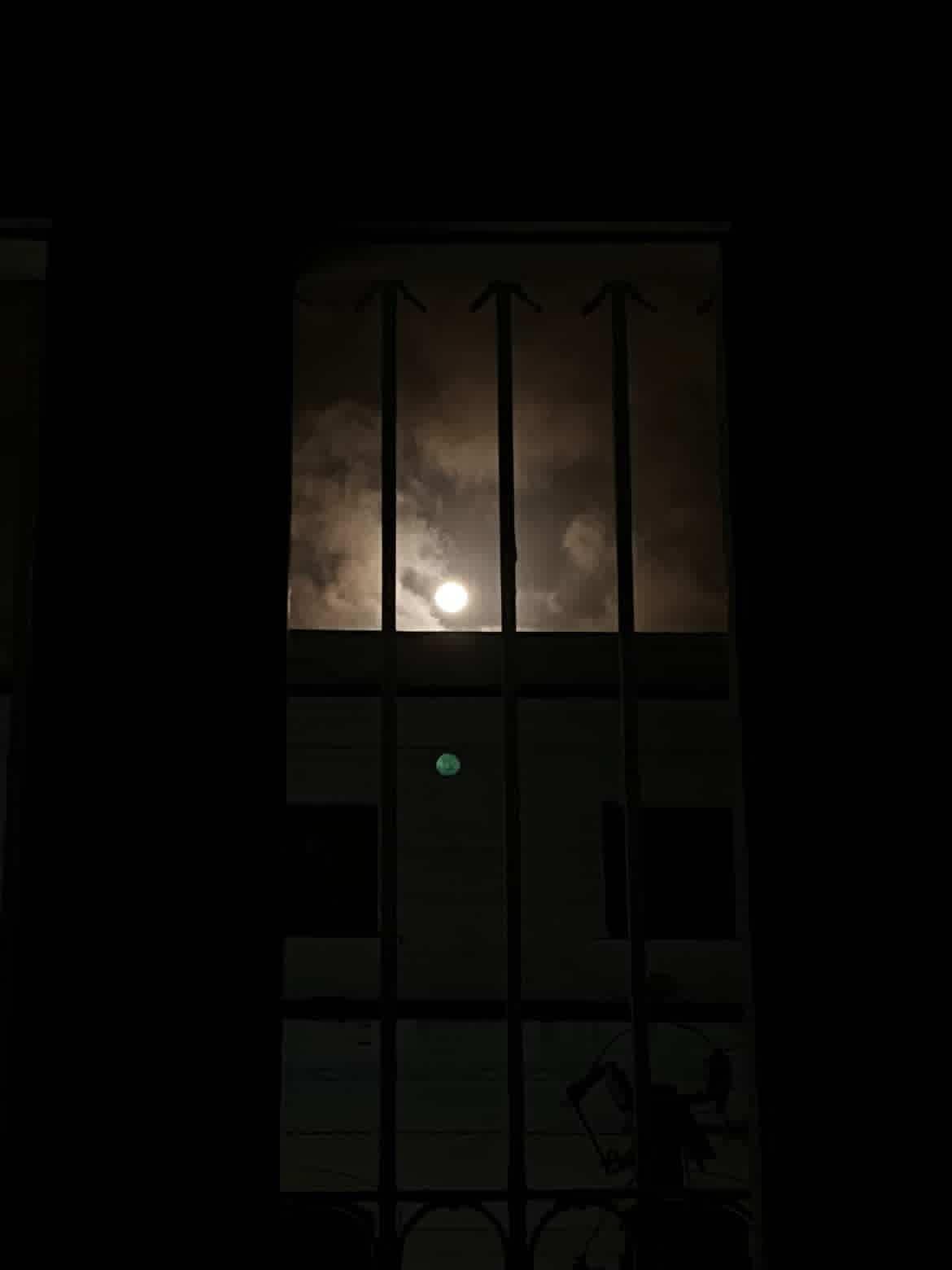
Featured Image: A photo of the moon taken from a residence in Havana during the latest blackout
Image Credit: Havana resident who wished to remain anonymous
License: Creative Commons Licenses